Discover Sylhet, Bangladesh — rivers beneath the Khasi hills, freshwater swamp forests, tea gardens and a distinctly Sylheti welcome.
Plan a city stay or explore the wider Sylhet division. Find places to see, local food to try and practical advice for your first visit or a journey back home.
Rivers, forests & tea country
Top sights in and around Sylhet
Start in Sylhet city, then explore the surrounding district. Sreemangal and Lawachara belong to the wider Sylhet division, rather than the city itself.
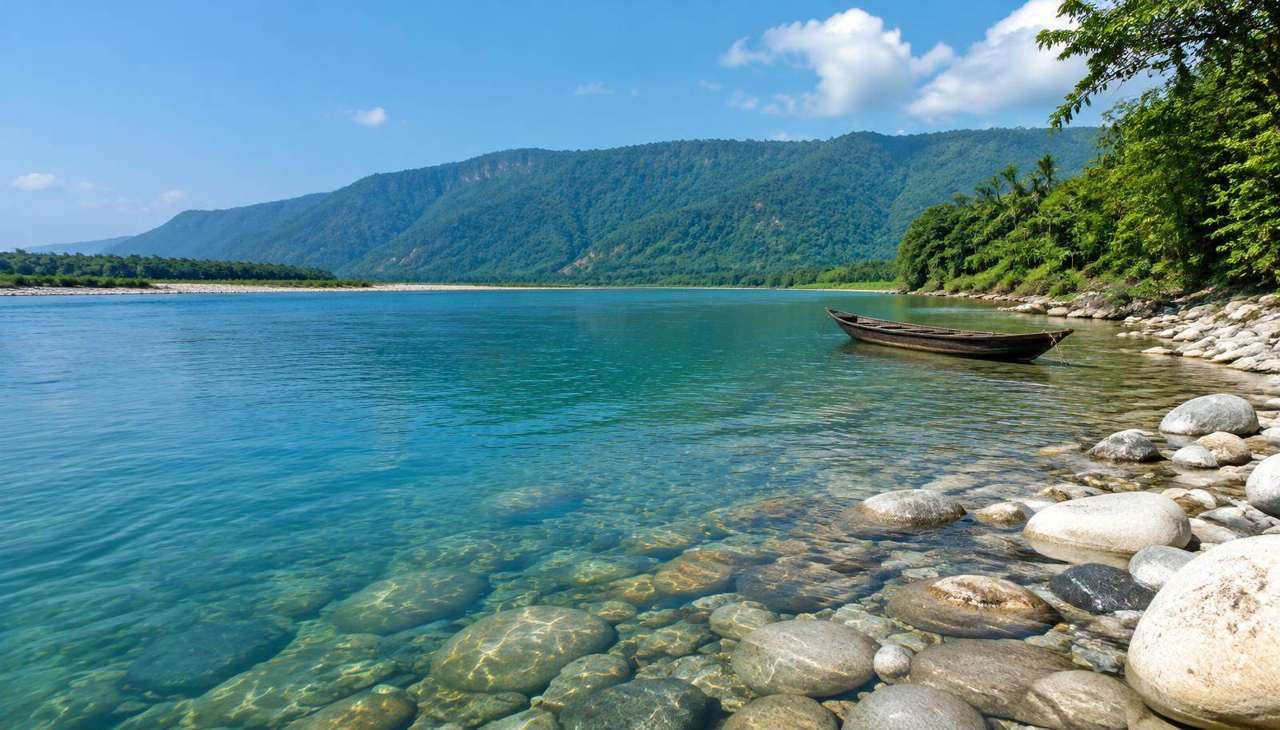
Illustration inspired by Jaflong, one of Sylhet’s riverside destinations.
01
Gowainghat · Sylhet district
Jaflong
A riverside landscape beneath the Khasi hills, close to the Bangladesh–India border. Come for mountain views, the river and the surrounding scenery.
Stay on the Bangladesh side and follow local border restrictions.
Sylheti is widely spoken alongside Bangla. The region’s identity connects village life, spiritual traditions and a large overseas community, particularly in Britain.
Faith & everyday etiquette
Shrines and mosques are places of worship, not just sights. Dress respectfully, follow local instructions and ask before photographing people.
Music & community
Explore the region’s folk traditions, including songs associated with Hason Raja and Shah Abdul Karim. Khasi and Manipuri communities also contribute to the wider division’s cultural richness.
Travel thoughtfully
Ask permission before entering villages or tea estates. Buy locally where possible, avoid littering and never disturb wildlife for a photograph.
A taste of the region
What to eat and drink
Shatkora dishes
This aromatic local citrus lends its rind to distinctive curries, often cooked with beef. Ask what is in the dish if you have dietary requirements.
Rice, fish & bhorta
Look for rice with fish curries and bhorta: mashed vegetables or other ingredients seasoned with chilli, onion and mustard oil. Recipes and heat levels vary.
Tea country favourites
Try locally grown tea. Sreemangal is also known for layered tea, a colourful stop on a trip through the wider region.
Choose freshly cooked food and safe drinking water. Check ingredients for allergies; menus and availability vary.
For comfortable sightseeing and generally drier weather, November to February is a good starting point. Water-based landscapes can look very different in the wet season.
November–February
Generally cooler and drier: a good choice for city visits, tea gardens and walking. Lower water levels may change boat trips and swamp-forest access.
March–May
Warmer, with increasing rain and thunderstorms. Start outings early, carry water and leave room in your plans for changing weather.
June–October
The monsoon and its transition bring lush scenery and fuller waterways, but heavy rain, flooding and disrupted access are possible. Check conditions before setting out.
These are broad seasonal patterns, not a forecast. Check current weather, flood alerts and local advice; avoid boat trips during storms or unsafe water conditions.
Keep city sightseeing and countryside outings separate in your plans. A shrine visit, a local meal and time to explore the city make a different kind of day from a river journey to Jaflong or a forest outing to Ratargul.
Choose your base
Compare location as well as facilities when choosing a stay. Check the map against the places you want to visit, and confirm room availability for your dates.
Do not try to fit every riverside destination into one outing. Confirm transport, the return journey and current access locally. Agree what a quoted fare includes before setting off.
Looking for a local perspective or returning to family roots? Read community stories, explore shopping options and use the visitor FAQ for common planning questions.